
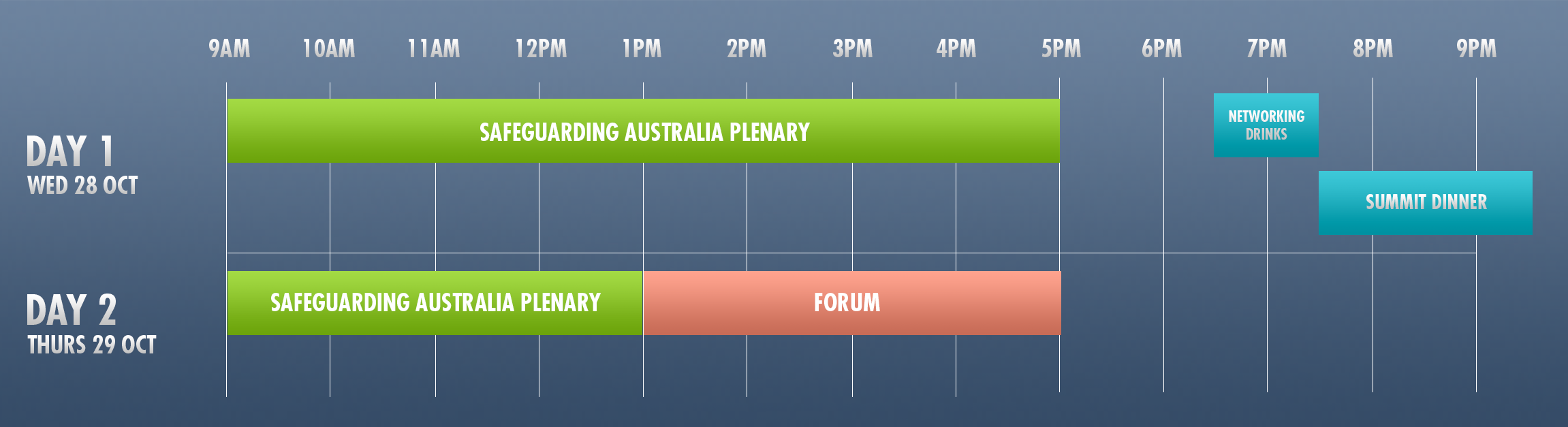
Safeguarding Australia 2026 – Plenary Program
The plenary program examines how Australia is strengthening national defence, sovereign capability and resilience, and working with partners to advance collective security.
Key Speakers from the Department of Prime Minister & Cabinet, Defence and Home Affairs


DAY 1 — National Defence Strategy & Collective Security
Translating Australia’s National Defence Strategy into strategic deterrence, force settings, and sovereign readiness across the Indo-Pacific. This executive block examines how middle powers are strengthening collective security, navigating major-power competition, and deepening trilateral and regional partnerships.
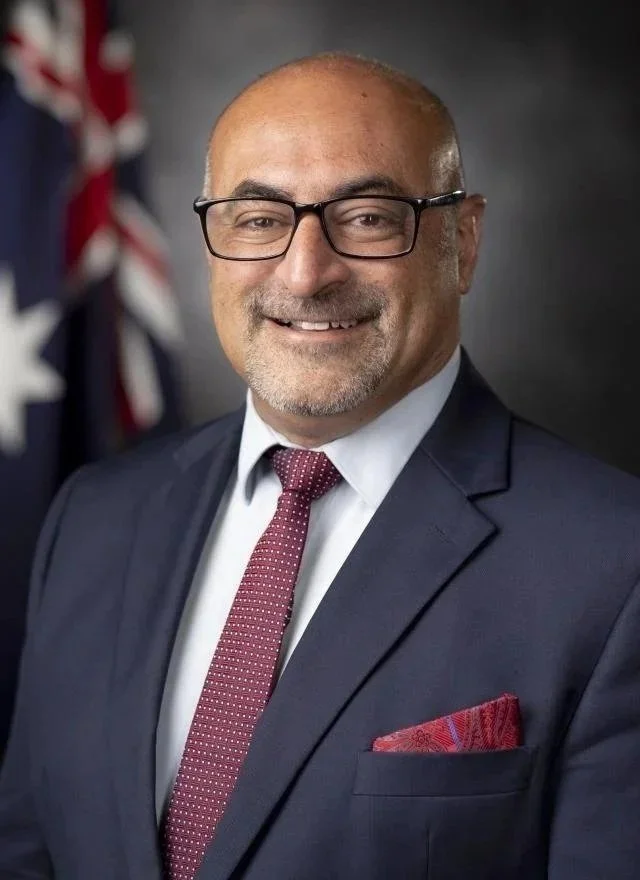
MINISTERIAL KEYNOTE ADDRESS
The Hon Peter Khalil MP | Assistant Minister for Defence
Addressing strategic posture, force readiness, and sovereign capability under the National Defence Strategy.
Featured Speakers:
Stephen Moore, First Assistant Secretary, AUKUS Division, Department of Prime Minister & Cabinet
David Nockels, First Assistant Secretary Defence Trade, Regulation and AUKUS Advanced Capabilities, Department of Defence
Kathryn Essex, Head of Defence and Security, ANZ, British High Commission, Canberra
A/Prof Michael Cohen, National Security College, Australian National University
DEFENCE, FRONTIER AI & STRATEGIC RESILIENCE KEYNOTE PANEL
Navigating the Frontier: Aligning Commercial AI Innovation with Defence Capability and Sovereign Trust
Bringing together senior Defence AI and Data leaders with frontier AI industry leadership to discuss the rapid integration of advanced generative models, data readiness, ethical guardrails, decision advantage, and national security adoption.
Keynote Panellists:
Ambassador Jeff Bleich, International Special Envoy, Anthropic
Chris Crozier, Chief Artificial Intelligence and Information Officer, Department of Defence
Dr Paul Robards AM, Chief Data Integration Officer, Department of Defence
Sovereign Capability & the Defence Industrial Imperative
Securing defence capability, scaling sovereign industrial capacity, and building resilient, secure supply chains amidst contested global markets. Industry leaders and capability experts unpack how to accelerate acquisition, delivery, and sustainment at scale.
Featured Speakers:
The Hon Andrew Hastie MP, Shadow Minister for Industry and Sovereign Capability
Dr Todd Mansell, Foundation Director, Australian Defence Technologies Academy, University of Adelaide
Allan Dundas, CEO, DEWC Services
Economic Security & National Resilience
Navigating supply chain vulnerabilities, critical energy infrastructure, maritime chokepoints, and economic coercion as core components of national defence preparedness.
Featured Speakers:
Lisa Elliston, First Assistant Secretary, Multilateral Economic Engagement Division & G20 Sherpa, Department of Prime Minister and Cabinet
Air Vice-Marshal John Blackburn AO (Retd), Institute for Integrated Economic Research
Networking Reception, Summit Dinner & Keynote Address
An exclusive evening opening with pre-dinner networking drinks, followed by a formal dinner and high-level address on the strategic choices defining Australia’s national resilience and defence posture.
DAY 2 — ASYMMETRIC TECH, WHOLE-OF-NATION RESILIENCE & ECOSYSTEM TRUST
Technology, Deterrence & Strategic Edge
How emerging and asymmetric technologies—from AI and cyber resilience to quantum and data integration—are reshaping deterrence and securing strategic decision advantage.
Featured Speakers:
Ciara Spencer, Deputy Secretary Law Enforcement & Domestic Security, Department of Home Affairs
Richard Samuels, Branch Chief Strategy and People, Department of Defence
Kendy Hau, Head of Defence, Fujitsu Oceania
Whole-of-Nation Resilience & Preparedness
Strengthening social cohesion, safeguarding public trust, and building coordinated crisis response frameworks across government, industry, and critical infrastructure.
Featured Speakers:
Hamish Hansford, Deputy Secretary, Head of National Security, Department of Home Affairs
Prof Matthew Warren, Director, Centre for Cyber Security, Research and Innovation, RMIT University
Prof Rodrigo Praino, Director, Jeff Bleich Centre for Democracy and Disruptive Technologies, Flinders University
The program is currently in development and will be updated as speakers and sessions are confirmed.